
Essential Cooking Tips Every Home Chef Should Know
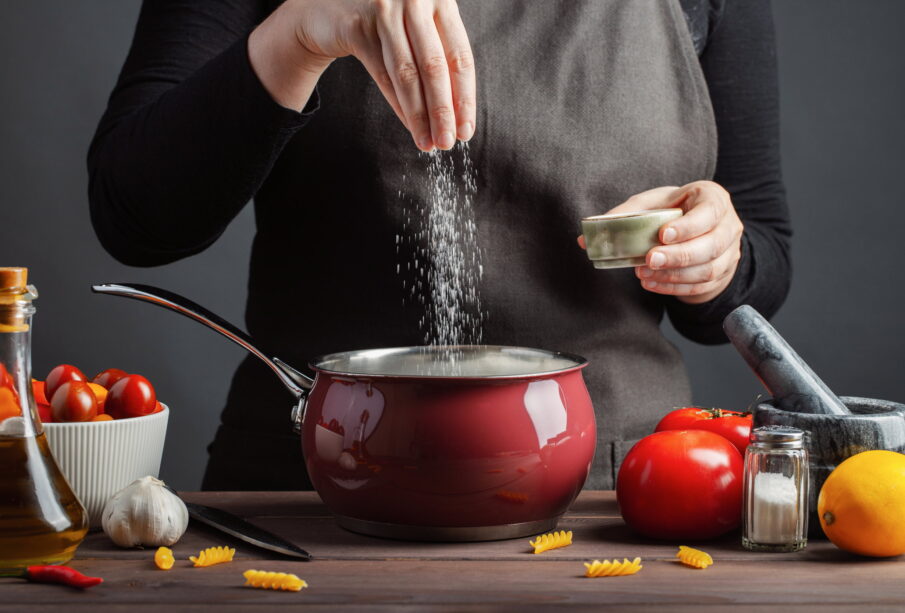
Cooking becomes far more enjoyable when you understand how to handle ingredients, manage heat, and build flavor. Even small adjustments can significantly improve your meals and save time in the kitchen. These foundational tips will help you approach cooking with more skill and confidence.
Mastering the Basics
Read Recipes Carefully
Before cooking anything, take a moment to read the full recipe. Understanding the steps ahead of time prevents confusion, rushed decisions, and unnecessary mistakes.
Organize Before You Start
Preparation sets the tone for successful cooking. Gather all your ingredients, chop what needs chopping, and measure out seasonings in advance. This ensures a smooth workflow and helps you avoid last-minute scrambling.
Keep Your Knives Sharp
A sharp knife is one of the most important tools in the kitchen. It cuts more cleanly, reduces the risk of slipping, and saves time during prep. Regular honing and periodic sharpening maintain performance.
Improving Flavor and Texture
Season Gradually
Proper seasoning is the key to delicious food. Add salt in small amounts throughout the cooking process instead of dumping it in at the end. Layered seasoning enhances depth and overall balance.
Use Fresh Herbs Wisely
Fresh herbs brighten a dish, but timing matters. Add sturdy herbs like rosemary early in cooking, while delicate ones such as basil or parsley should be added toward the end to preserve their aroma.
Let Meat Rest
Resting cooked meat allows juices to redistribute, resulting in better texture and flavor. Cutting too soon causes moisture loss and a dry final product.
Managing Heat Effectively
Preheat Your Pan
Placing ingredients in a cold pan often leads to uneven cooking. Always allow pans or ovens to reach the proper temperature before adding food.
Learn When to Use High, Medium, or Low Heat
-
High heat is best for searing and rapid browning.
-
Medium heat works well for sautéing and simmering.
-
Low heat is ideal for slow cooking and delicate sauces.
Understanding heat control prevents burning and helps achieve the desired texture.
Developing Better Kitchen Habits
Taste as You Go
Relying on flavor checks throughout the process ensures that your dish develops correctly. Small adjustments early on are easier to manage than fixing an overpowering or bland final result.
Clean as You Cook
Keeping the workspace tidy saves time and reduces stress. Washing utensils and clearing counters while food simmers or bakes creates a more organized kitchen.
Store Ingredients Properly
Good storage practices extend freshness. Keep herbs in breathable containers, refrigerate produce as needed, and store dry goods in airtight jars to prevent spoilage.
FAQs
1. How can I prevent food from sticking to the pan?
Preheat the pan properly and add oil only when it’s hot. This creates a natural nonstick surface.
2. What’s the best way to enhance the flavor of soups and sauces?
Simmer them slowly to allow flavors to meld and intensify. Adding a splash of acid like lemon or vinegar at the end helps balance richness.
3. Why do my vegetables turn mushy when sautéing?
Overcrowding the pan traps steam, causing soggy vegetables. Cook in batches for crisp results.
4. Is it necessary to follow a recipe exactly?
For baking, it’s important. For cooking, you can adjust spices and ingredients, but keep the main technique consistent.
5. How do I know when meat is cooked safely?
Using a meat thermometer is the most reliable method. Each type of meat has a specific internal temperature to reach.
6. What’s the quickest way to thicken a sauce?
A simple slurry of cornstarch and water added gradually will thicken most liquids without changing flavor.
7. How can I make my meals healthier without losing flavor?
Use fresh herbs, citrus, and spices to boost flavor instead of relying on heavy fats or salt.


