Catering Services Guide: Types, Benefits, Planning Tips & FAQs
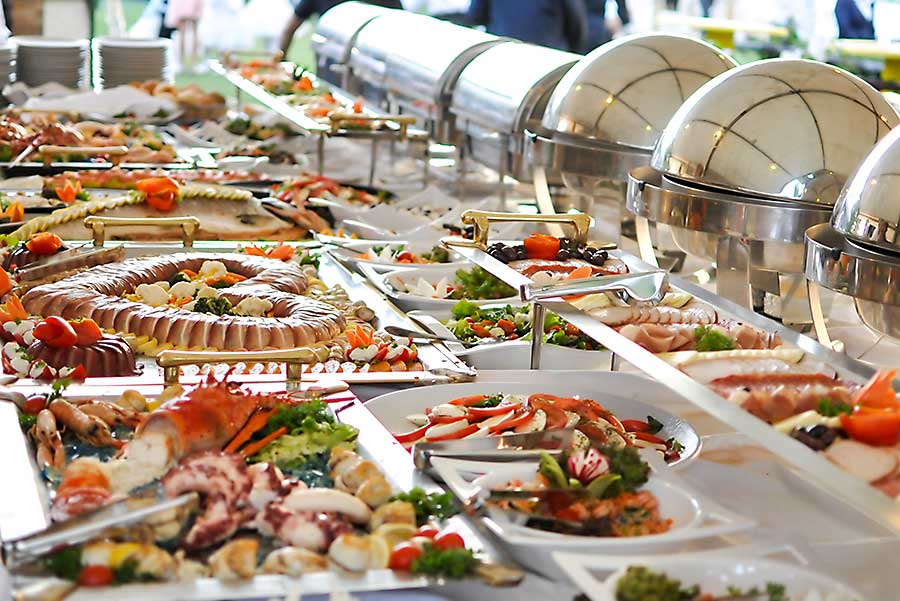
Catering refers to the professional preparation, delivery, and service of food and beverages for events ranging from intimate gatherings to large-scale celebrations. It ensures that guests enjoy high-quality meals while hosts focus on experiencing the event rather than managing food logistics.
Key Advantages of Catering Services
Professional catering offers convenience, consistency, and customization. Beyond preparing food, caterers often assist with setup, service, décor coordination, and clean-up, making them an essential part of event planning.
Convenience
Caterers handle everything from menu planning to serving, saving time and reducing stress for hosts.
Quality and Presentation
Professional chefs and service staff deliver appealing, well-crafted dishes with attention to detail.
Menu Flexibility
Catering companies offer customizable menus, including:
-
Vegetarian and vegan options
-
Gluten-free and allergen-friendly meals
-
Regional or themed cuisines
Professional Service
Well-trained staff ensure seamless meal delivery, proper portioning, and guest satisfaction.
Types of Catering Services
On-Premise Catering
Food is prepared and served at the event venue itself. This option offers better temperature control, fresh presentation, and easier coordination with venue facilities.
Off-Premise Catering
Meals are prepared in a central kitchen and transported to the event site. It is ideal for outdoor events, home functions, and locations without a full kitchen setup.
Corporate Catering
Designed for business events such as meetings, conferences, and seminars, this catering type prioritizes punctual service, polished presentation, and efficient delivery for time-sensitive schedules.
Wedding Catering
Wedding catering includes multi-course meals, buffet arrangements, live stations, and dessert setups. It often covers full-service staffing, bar services, and coordination with wedding planners.
Social Event Catering
This category includes birthdays, anniversaries, reunions, and private parties. Menus tend to be more relaxed and personalized, focusing on guest preferences and themed food choices.
Industrial and Institutional Catering
Used in schools, hospitals, factories, and large organizations. The focus is on nutrition, cost-efficiency, and consistent meal production at scale.
How to Choose the Right Catering Service
Assess Your Event Needs
Consider the type of event, guest count, venue limitations, and dietary requirements.
Evaluate the Menu Options
Opt for caterers who offer:
-
Seasonal ingredients
-
Customizable packages
-
Tasting sessions
Check Experience and Reviews
A company with a strong track record ensures reliable service and professional handling of logistical challenges.
Confirm Staff and Equipment
Ensure the caterer provides sufficient servers, chefs, utensils, and warming or cooling equipment.
Discuss Budget and Packages
Transparent pricing and detailed quotations help avoid unexpected charges. Many caterers offer:
-
Per-plate pricing
-
Buffet packages
-
Full-service event bundles
Planning Tips for a Successful Catering Experience
Finalize Guest Count Early
Accurate numbers prevent food shortages or excess.
Choose the Right Serving Style
Options include:
-
Buffet
-
Plated meals
-
Family-style dining
-
Food stations
Incorporate Dietary Considerations
Offering diverse meal options ensures every guest feels included.
Schedule a Tasting
A tasting session helps confirm flavor, presentation, and portion sizes before the event.
Coordinate Timelines
Work with your caterer to plan service times, ensuring smooth event flow.
FAQs About Catering
1. How far in advance should I book a caterer?
For weddings and large events, booking at least 6–12 months ahead is recommended. Smaller events may need only 1–2 months.
2. What serving style is best for large gatherings?
Buffet and food stations are popular for large groups, as they allow faster service and wider variety.
3. Do caterers provide tableware and linens?
Many caterers offer full-service packages that include utensils, plates, glassware, and linens, but availability varies.
4. Can caterers accommodate last-minute menu changes?
Minor adjustments may be possible, but final menus are usually locked a week before the event.
5. Are tastings included in catering packages?
Most professional caterers offer tastings, though some may charge a fee for premium menus.
6. What if guests have severe allergies?
Inform your caterer early. Reputable providers take precautions such as separate prep areas and clear labeling.
7. Do caterers handle clean-up after the event?
Many full-service caterers manage clean-up related to food and serving areas, but it’s best to confirm in advance.