Kunafa vs Baklava: What Are They and How Are These Middle Eastern Desserts Different?
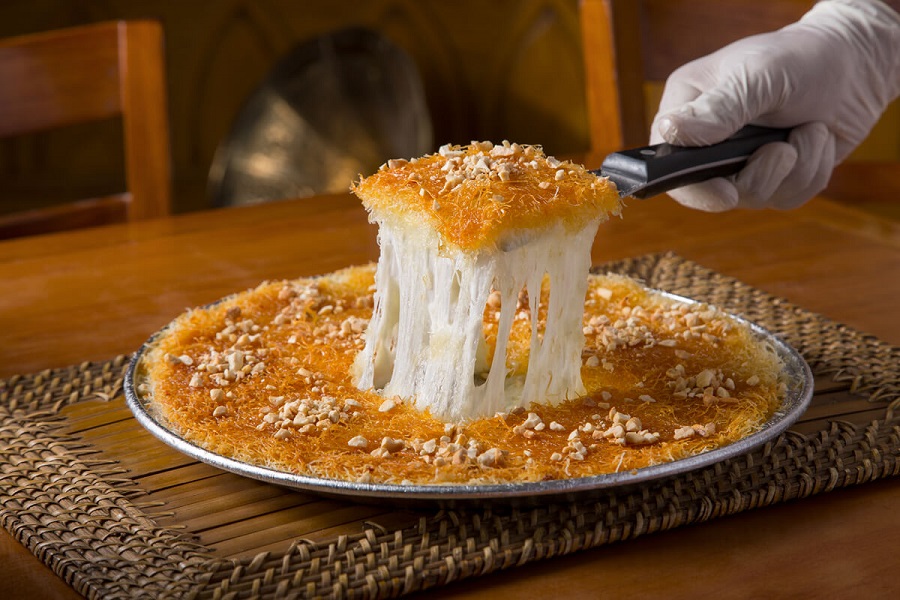
Kunafas and baklavas are an integral part of Middle Eastern cuisine. Although often confused with each other, these desserts have distinct identities and are loved by many people worldwide.
But how exactly do kunafas and baklavas differ from each other? Continue reading the blog for more information about this.
Kunafa vs Baklava: How Do They Differ From Each Other?
| Parameter | Kunafa | Baklava |
| Texture | Soft | Crispy |
| Taste | Slightly milk and rich | Syrupy and nutty |
| Serving style | Best when served at room temperature | Can be had at room temperature |
| When they are served | Anytime | Mainly as gifts during special occasions |
What Is Kunafa: About and Origins
Wondering what is Kunafa? Also known as knafeh or kunefe, it is a phyllo-dough-based sweet dish that traces its origins to the Middle Eastern city of Nablus, Palestine. In its original form, the dish was mainly prepared with nuts, kataifi dough and cheese.
Later, as its popularity grew, the dish spread from Nablus to nearby regions of Jordan, Syria, Lebanon and Iran. Over time, the dish became popular throughout the Arab world, with everyone creating their own variations.
For example, Egyptians created and favored the nut-filled versions. The Palestinians and Turks, who later occupied the city, favored the cheese-stuffed versions, while the people of Mecca made it with cheese but did not add any salt.
Main Ingredients
Kunafa mainly consists of the following ingredients:
- Kataifi or shredded phyllo dough
- Ghee or butter
- Traditionally prepared Akkawi or Nablusi cheese
- Sugar syrup, also known as Qatar, which is made from equal portions of sugar and rose water or orange blossoms for authenticity
- Walnuts or pistachios, depending on the region
- Salt
- Aromatics like cinnamon, rose water or cardamom
Core Characteristics
Kunafa’s core characteristics come from its ingredients. For instance, the kataifi dough creates the iconic crispy exterior, while the cheese filling creates the rich, creamy sensation.
Similarly, ghee or butter creates a crispy texture and adds an authentic flavor. On the other hand, walnuts or pistachios add a nutty flavor and a crunchy texture. Salt adds a slight balance of savory-sweet flavors, while the aromatics add depth.
Overall, these ingredients create a rich, creamy texture that lingers in your mouth long after you’ve had the dish.
What Is Baklava: About and Origins
Baklava is a sweet dish whose origins can be traced to the 8th century BCE. During that time, the Assyrians layered unleavened or flatbread and placed chopped nuts between the layers. They enjoyed these preparations during special occasions.
Later, when Greeks began living in western Anatolia, they prepared a variation with phyllo, or leaf dough. This dish used to have many layers of phyllo dough and was stuffed with honey and cheese. Some also used bay leaves to flavor the dishes.
However, while the Assyrian and Greek variations can be considered the roots of baklava, the sweetmeat we popularly have today can be traced back to the Ottoman Empire.
The people served this dessert during festive occasions, and it was often considered the sweetmeat of the wealthy.
Main Ingredients
The main ingredients of the Baklava are as follows:
- Phyllo dough
- Butter
- Pistachios, walnuts or hazelnuts
- Lemon juice, water and sugar syrup
- Cinnamon or other aromatics
Core Characteristics
Like kunafas, baklava’s core characteristics come from its ingredients.
The phyllo dough creates a crispy texture and the iconic crunch, while the butter is responsible for the golden color and rich taste.
Similarly, the lemon juice, water and sugar syrup add a subtly sweet and uplifting taste to the whole dish. On the other hand, the nuts create their own distinctive taste profiles.
For instance, the pistachios add a more aromatic taste, while the walnuts give it a richer taste. Similarly, hazelnuts add a more chocolatey flavor profile. Cinnamon, on the other hand, adds depth.
Conclusion
Both kunafa and baklava are Middle Eastern desserts that have distinct flavor profiles. A kunafa is known for its creamier taste, while baklava is distinguished by its light, syrupy and more nutty taste. Moreover, while you can have kunafa anytime you want, baklava is something you can only have on special occasions.
Other differences come from the different geographical regions where they are prepared. For instance, a Nablusi kunafa will taste slightly different from Egyptian kunafa, and so on.