Chef: Roles, Skills, Responsibilities & How to Become One
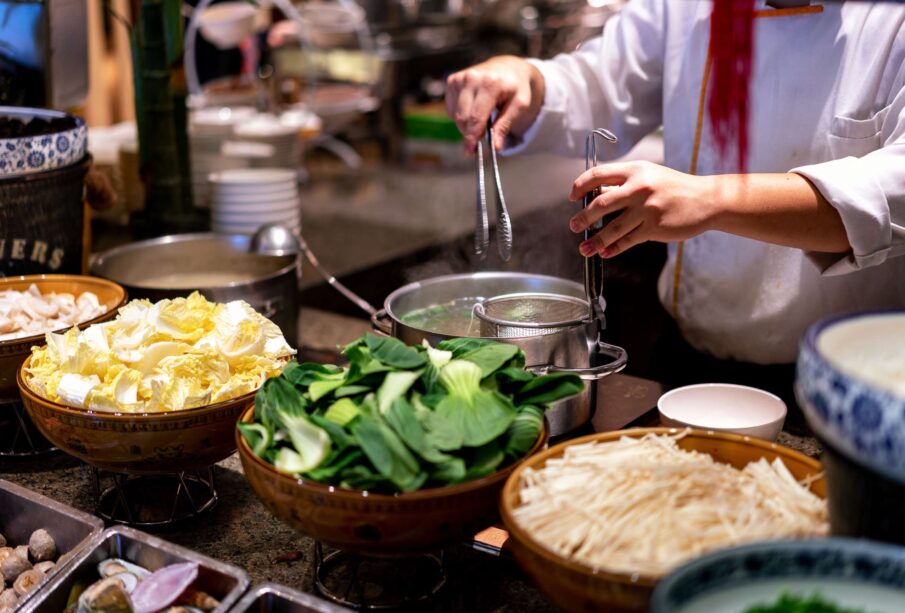
A chef is far more than someone who prepares meals. The role embodies creativity, discipline, leadership, and a deep understanding of ingredients and techniques. From bustling restaurant kitchens to luxury hotels and innovative food labs, chefs shape the culinary world with their craft and vision.
Understanding the Role of a Chef
A chef is a trained professional responsible for preparing dishes, designing menus, managing kitchen staff, and maintaining food quality. Their work demands precision, organization, and a constant desire to learn.
Core Responsibilities
-
Menu Creation: Crafting dishes based on seasonality, trends, and customer expectations.
-
Food Preparation: Mastering cooking methods such as sautéing, braising, roasting, and baking.
-
Kitchen Management: Supervising staff, delegating tasks, and ensuring timely service.
-
Quality Control: Maintaining consistency in flavor, presentation, and hygiene.
-
Inventory Oversight: Monitoring food stock and ensuring fresh, high-quality ingredients.
Different Types of Chefs
Executive Chef (Head Chef)
Leads the entire kitchen, designs the menu, and oversees all culinary operations. They rarely cook during service but ensure the kitchen runs smoothly.
Sous Chef
The second-in-command who manages daily operations. They supervise cooks, check dishes before service, and support the Executive Chef’s vision.
Pastry Chef
Specializes in desserts, bread, and baked goods. Their work requires precision, creativity, and extraordinary attention to detail.
Line Cook (Chef de Partie)
Handles specific stations such as grill, sauté, or pantry. They are essential to efficient service during busy hours.
Commis Chef
An entry-level chef who assists senior chefs and builds foundational skills across various cooking techniques.
Skills Required to Become a Chef
Becoming a successful chef demands more than culinary knowledge. It requires a blend of personal, technical, and managerial skills.
Technical Skills
-
Knife handling
-
Heat control
-
Ingredient pairing
-
Plating and presentation
-
Food safety and sanitation
Personal Attributes
-
Creativity and imagination
-
Patience under pressure
-
Time management
-
Adaptability
-
Leadership
How to Become a Chef
1. Formal Education or Culinary School
Many chefs pursue culinary programs covering cooking techniques, nutrition, and kitchen management.
2. Apprenticeships
Hands-on training under experienced chefs helps develop practical skills and confidence.
3. Gaining Experience
Working in different kitchen roles builds understanding of various cuisines and working styles.
4. Continuous Learning
The culinary industry evolves constantly. Successful chefs stay updated by exploring:
-
International cuisines
-
New cooking technologies
-
Modern plating styles
The Importance of Chefs in the Culinary World
Chefs influence dining culture, promote local ingredients, and bring people together through food. They innovate, inspire, and elevate the dining experience—making food not just nourishment but a form of art.
Frequently Asked Questions
1. What is the difference between a cook and a chef?
A cook prepares food, while a chef has formal training, manages kitchen operations, and often designs menus.
2. How long does it take to become a professional chef?
Depending on education and experience, it can take anywhere from 2–6 years to become fully skilled.
3. Do chefs need formal education?
No, but culinary school can accelerate learning and open opportunities.
4. What hours do chefs typically work?
Chefs often work long, irregular hours, including nights, weekends, and holidays.
5. Which cuisine is hardest to master?
It varies by individual, but cuisines like French, Japanese, and pastry work are known for their precision.
6. Can a chef specialize in more than one cuisine?
Yes, many chefs master multiple cuisines to broaden their skill set.
7. What tools should every aspiring chef own?
A high-quality chef’s knife, cutting board, thermometer, and basic cookware are essential for beginners.