
Artistry of Bakeries & Cakes – Trends, Techniques & Timeless Delights
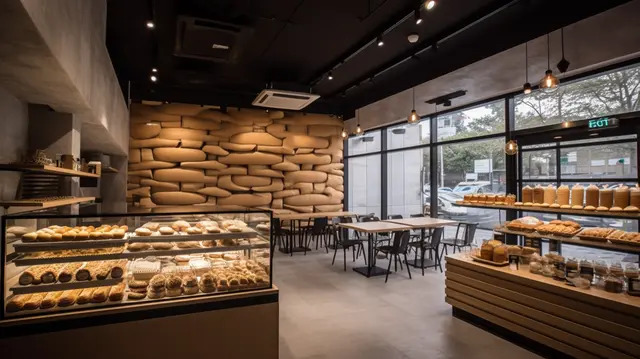
Bakeries have long been woven into the fabric of communities, offering fresh aromas, handcrafted treats, and warm hospitality. Today, they continue to evolve—blending traditional baking methods with modern flavors, artistic designs, and innovative culinary techniques.
The Evolution of the Bakery Experience
Modern bakeries are more than places to buy bread; they’re immersive culinary stops. From artisanal loaves to intricately decorated cakes, each creation reflects craftsmanship and creativity.
What Defines a Great Bakery?
Several elements contribute to the charm and reputation of a well-loved bakery:
-
High-quality ingredients sourced locally or internationally.
-
Freshness, with daily baked products.
-
Skilled bakers who balance precision with artistic flair.
-
Consistency in flavor, texture, and presentation.
-
Customer-centric service that makes every visit memorable.
Exploring Popular Bakery Delights
1. Artisan Breads
Handcrafted breads such as sourdough, brioche, and multigrain loaves remain bakery staples. These breads emphasize:
-
Long fermentation for deep flavor.
-
Unique crust textures.
-
Natural ingredients without additives.
2. Pastries and Viennoiserie
Light, flaky pastries never fail to delight. Favorites include:
-
Croissants
-
Danishes
-
Pain au chocolat
-
Cinnamon rolls
Their appeal lies in precision lamination and buttery richness.
3. Signature Cookies
From chewy chocolate chip cookies to gourmet macadamia or almond-based varieties, cookies offer simple yet irresistible charm.
4. Specialty Cakes
Cakes have grown into an entire category of edible art. Bakers today craft:
-
Tiered celebration cakes
-
Minimalist modern cakes
-
Customized fondant cakes
-
Classic sponge and cream cakes
Cakes combine creativity with technical mastery, often becoming the centerpiece of special occasions.
The Science Behind Good Cake Making
Baking is equal parts chemistry and imagination. Perfect cakes depend on:
-
Accurate measurements for structure and balance.
-
Proper aeration to achieve fluffiness.
-
Temperature control to ensure even baking.
-
Quality ingredients, especially butter, eggs, and flavorings.
Essential Components of a Great Cake
-
Flavor balance: Not too sweet, not too bland.
-
Moist crumb: A hallmark of successful baking.
-
Stable structure: Perfect for layering and decorating.
-
Aesthetic appeal: Modern cakes are as beautiful as they are flavorful.
Trends Shaping Today’s Bakery & Cake Industry
Health-conscious Baking
The rise of dietary needs and preferences has opened doors for:
-
Gluten-free pastries
-
Vegan cakes
-
Low-sugar or sugar-free desserts
-
Whole-grain breads
Artistic Cake Decorating
Decorating has become an art form with techniques like:
-
Buttercream sculpting
-
Airbrushing
-
Hand-painted designs
-
Textured finishes and metallic accents
Fusion Flavors
Bakeries now experiment with global influences:
-
Matcha-infused cakes
-
French-Korean pastries
-
Middle Eastern–inspired breads and fillings
Eco-friendly Practices
Sustainability is increasingly important, leading to:
-
Responsible ingredient sourcing
-
Recyclable packaging
-
Reduced waste techniques
Why Bakeries Remain Timeless
Despite evolving trends, the joy of visiting a bakery remains the same. It’s a place where:
-
Traditions meet creativity
-
Comfort foods revive memories
-
Craftsmanship transforms simple ingredients into something extraordinary
FAQs
1. What makes artisan bread different from commercial bread?
Artisan bread is made in smaller batches using natural ingredients, long fermentation, and traditional methods, resulting in richer flavor and texture.
2. How long do freshly baked cakes stay fresh?
Most cakes remain fresh for 2–3 days when stored properly in an airtight container at room temperature.
3. Are vegan cakes as soft and flavorful as traditional cakes?
Yes, when crafted carefully with the right substitutes, vegan cakes can be just as moist and delicious.
4. Why is temperature important in baking?
Precise temperatures ensure proper rising, texture, and consistency, preventing underbaking or dryness.
5. What is the difference between buttercream and fondant?
Buttercream is creamy and soft, ideal for flavor and texture, while fondant gives a smooth, sculpted finish perfect for detailed designs.
6. How can I choose the right cake for a celebration?
Consider the event theme, flavor preferences, guest count, and desired design before selecting or customizing a cake.
7. Do bakeries offer custom flavor combinations?
Many modern bakeries provide personalized flavor pairings, allowing customers to create unique cakes.


