Why Mise en Place is the Ultimate Productivity Hack for Cooks

Step into the kitchen of any high-volume, Michelin-starred restaurant during dinner service, and you will not witness panic or chaotic scrambling. Instead, you will see a choreographed dance of focused cooks moving with economy and quiet intention. Pans sizzle, plates leave the pass at rapid speed, and workstations remain spotless. The driving force behind this high-stakes efficiency is an old French culinary philosophy known as mise en place.
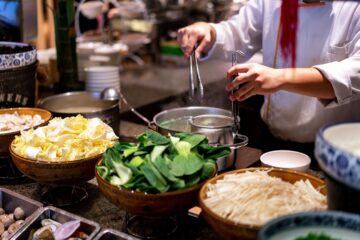
Translated literally, mise en place means putting in place or everything in its place. To a casual home cook, it might look like a row of miniature glass pinch bowls filled with diced shallots, measured spices, and minced garlic ready for the pan. To a professional chef, however, mise en place is not just prep work. It is an entire state of mind, an operational system, and an unbeatable productivity framework that eliminates friction, cuts mental fatigue, and ensures culinary consistency.
The Mental Architecture of Mise en Place
The fundamental reason cooking goes awry at home or in disorganized commercial operations is task-switching under pressure. Cooking often requires precise temperature control and acute timing. If you are halfway through browning butter and suddenly realize you forgot to peel and slice your ginger, your focus fractures. You end up burning the dairy solids while wrestling with a dull peeler, or you pull the pan off the burner, dropping the heat and ruining the sear.
Mise en place prevents this crisis by separating cognitive planning from physical execution.
-
Front-Loaded Decision Making: When you wash, measure, cut, and portion every component beforehand, your brain does all the heavy analytical lifting before the stove ever gets hot.
-
Reduced Decision Fatigue: Cooking often demands split-second sensory judgments, such as recognizing when garlic is aromatic rather than burnt, or when an emulsion is threatening to break. Freeing your mind from wondering where the salt cellar went lets you devote total attention to heat and texture.
-
Elimination of Spatial Chaos: Clutter creates cognitive drag. An unorganized cutting board surrounded by vegetable peels, dirty knives, and unwashed measuring spoons slows down your physical movements and increases anxiety.
By preparing both your mind and your ingredients prior to cooking, you transform the cooking process from an erratic juggling act into a calm, linear execution of steps.
The Core Components of an Efficient Workstation
True mise en place extends well beyond raw ingredients. It encompasses your tools, your physical posture, and your immediate cooking perimeter. Setting up an optimal station requires deliberate design.
Tool Readiness and Equipment Positioning
A master cook never starts slicing until every required utensil is within arm reach. An efficient setup relies on a predictable layout that supports muscle memory:
-
Stable Prep Surfaces: Secure your cutting board by placing a damp cloth or silicone mat underneath it to eliminate any slippage while chopping.
-
Immediate Scrap Catching: Keep a dedicated discard container or scrap bowl directly next to your workspace. Dropping onion skins and stem ends into a bowl right in front of you keeps the board clear without requiring repeated trips to the trash can.
-
Tool Caddies and Dry Towels: Keep two folded dry towels tucked into your apron or right beside your board, one for wiping surfaces and one dedicated to grabbing hot pan handles. Keep tasting spoons, tongs, and spatulas laid out on a clean tray beside the range.
Ingredient Marshalling and Grouping
Once tools are established, ingredients should be processed sequentially based on how they interact with heat and timing.
Group ingredients according to their cooking stages. For instance, aromatic vegetables like carrots, celery, and onions that hit the pan together can sit in the same prep bowl. Ingredients added during the final moments, such as delicate herbs, citrus juices, or finishing vinegars, should be set aside together in a cooler zone away from stove splatter.
The Compounding Gains of Kitchen Workflow Optimization
Adopting mise en place creates massive efficiency gains that save time far beyond the few minutes spent pre-chopping onions. It shifts the entire economics of how you use time and energy.
Batch Processing Over Staccato Steps
In traditional cooking patterns, people tend to peel an onion, chop it, move to the stove, return to peel garlic, smash it, wipe their hands, grab a tomato, and dice that next. This fragmented approach destroys momentum.
Mise en place encourages batch processing. You wash all produce in one pass. You peel everything in one pass. You pull out your chef knife and chop all firm aromatics sequentially, cleaning the board once at the end of the prep sequence. Batching similar tasks minimizes tool switches, keeps the cutting board dry and organized, and accelerates mechanical knife work.
Clean As You Go Mentality
Mise en place demands continuous station maintenance. A cook who subscribes to the philosophy cleans between every step rather than abandoning pots, pans, and tools in a teetering sink tower.
Because all the messy prep occurs before the heat goes on, there is ample downtime during passive cooking phases, such as when a sauce simmers, a soup reduces, or a roast rests in the oven. During these natural intervals, the cook wipes counters, washes prep containers, and sanitizes surfaces. By the time the meal is ready to be plated and enjoyed, the kitchen is already clean, removing the dread of a post-dinner cleanup ordeal.
Translating Mise en Place Beyond the Kitchen
The structural principles that keep professional kitchens calm during hundreds of covers are universal productivity laws. The culinary world simply refined them because food spoils, heat burns, and hungry diners cannot wait indefinitely.
Knowledge workers, software developers, and creatives frequently borrow mise en place concepts under different names:
-
Setting Up the Digital Station: Closing unnecessary browser tabs, silencing notification pings, and gathering all research documents into a single split screen before writing mimics gathering your ingredients before lighting the burner.
-
Batching Administrative Overhead: Answering all routine correspondence or updating calendars in a single focused morning block mirrors batch-prepping your aromatic vegetables for the evening service.
-
Defining the Recipe First: Reading through project scopes completely before opening design or code files mirrors a chef reviewing an entire recipe from start to finish before taking out a single pan.
When your workstation, resources, and mental pathways are organized ahead of time, deep work flows naturally without friction or false starts.
Frequently Asked Questions
How does a cook balance the extra dishes created by using prep bowls with the time saved?
Experienced practitioners do not use a separate bowl for every single spice or herb. Ingredients that enter the pan at the identical point in the recipe are gathered together on small plates, deli containers, or simply clustered in neat piles on the cutting board itself. This approach limits dirty dishes while retaining all the sequencing benefits of proper preparation.
What is the best way to practice mise en place when preparing meals in a very small kitchen?
In tight spaces, vertical storage and sequential staging are critical. Cooks can use stackable, nesting prep containers or compact quarter-sheet trays to hold grouped ingredients upright. Once an item is prepped and contained, it can be shifted off the main counter to a baker rack, rolling cart, or temporary staging shelf until needed at the stove.
At what point during meal preparation should the oven or pans be preheated when following this method?
Pans and ovens should only be heated once all mechanical prep, such as chopping, peeling, measuring liquids, and butchery, is completely finished. Preheating cooking surfaces before ingredients are ready leads to burnt oil, scorched cookware, or rushed, inconsistent cutting that compromises safety.
How does mise en place help reduce household grocery costs and kitchen food waste?
Because the system requires reviewing the entire recipe and gathering ingredients beforehand, cooks spot duplicate purchases and discover usable leftovers in the refrigerator before shopping. Measuring portions precisely also prevents over-cooking perishable produce, allowing unused portions of vegetables and proteins to remain intact and fresh for subsequent meals.
How can home cooks practice mise en place for long, multi-day meal prep routines?
For weekly meal prep, cooks can divide the workflow into distinct functional blocks spread over two days. One day can be dedicated strictly to dry ingredient organizing, sauce blending, and vegetable chopping, while the following day is reserved purely for high-heat batch roasting, stewing, and packaging into portioned storage units.
Does practicing strict mise en place reduce spontaneous creativity while cooking?
It actually enhances culinary creativity. When basic mechanics, timing, and workspace clutter are under control, cooks have the mental bandwidth to taste as they go, adjust seasoning balances, experiment with acid and salt, and make nuanced tweaks to texture without the risk of overcooking the dish.